
Taper vs Fade: What's the Difference?
They might look similar, but they're not the same. Discover what sets these popular cuts apart before your next barber appointment.
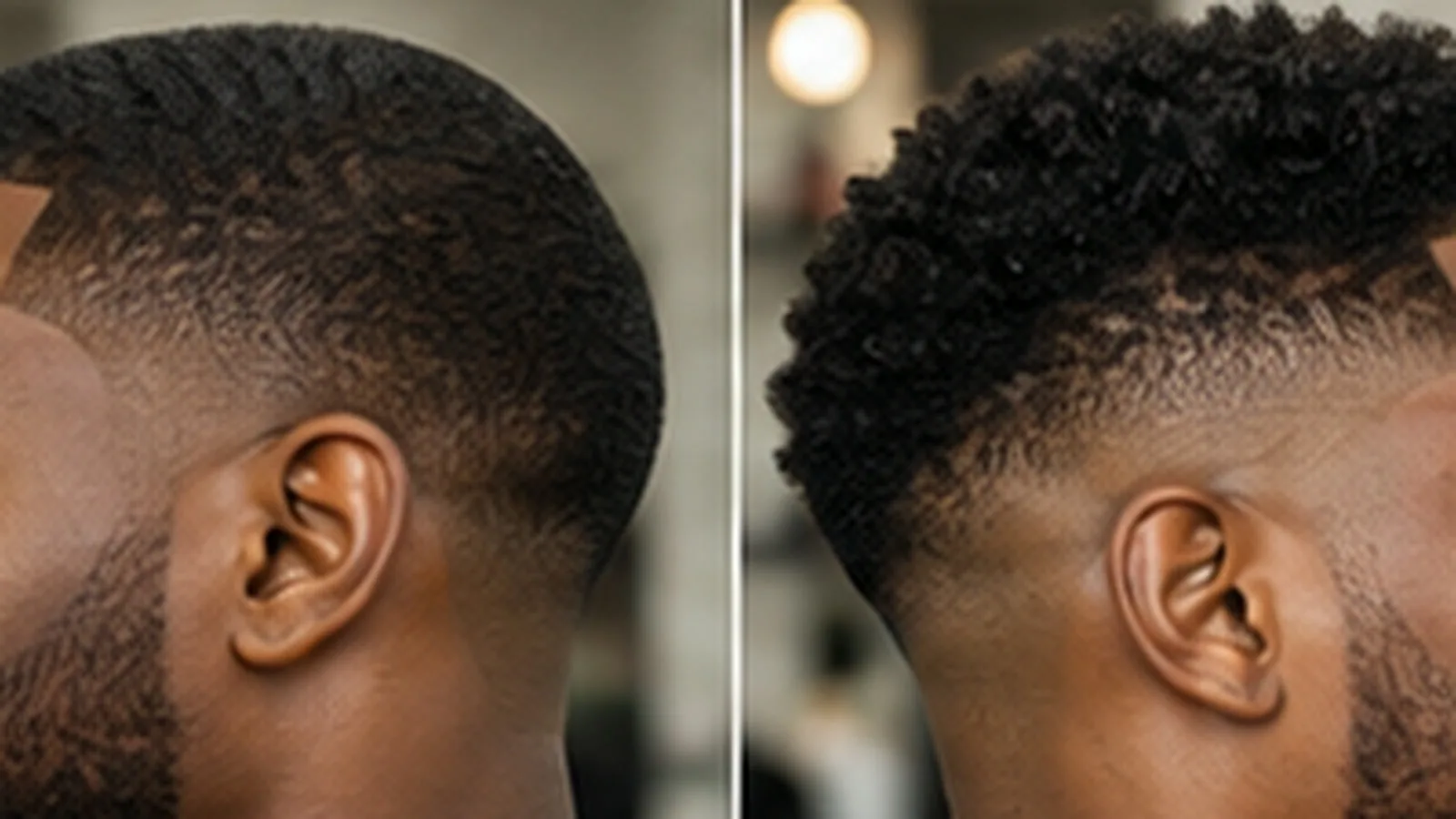
Illustrations on this page are AI-generated and do not show real clients or professionals.
“Can I get a taper?” “Do you mean a fade?” It’s one of the most common conversations in a barbershop, and it’s no wonder: the two cuts look alike from a distance. Up close, they’re different haircuts with different effects.
Here’s the quick, practical version.
The short answer
- A taper gradually shortens the hair at the sideburns and neckline only. The rest of the sides and back stay longer.
- A fade blends the hair much shorter over a bigger area of the sides and back, often going down to the skin.
Both create a smooth transition from long to short. The difference is how much of the head gets short, and how dramatic the contrast looks.
What a taper looks like
A taper is subtle. The hair is cut a little shorter along the edges, around the sideburns, behind the ears and at the nape, and it blends into the longer hair above. It keeps a classic, conservative shape.
- The look: clean, natural and understated.
- Good for: workplaces and formal settings, or anyone who prefers a gentle change.
- Upkeep: because the changes are small, a taper tends to grow out softly, so you can often go longer between visits.
What a fade looks like
A fade is more noticeable. The sides and back get much shorter, with a visible gradient from short to long, so the hair on top stands out more.
- The look: sharp, modern and high-contrast.
- Good for: people who want a defined, statement shape, particularly with textured tops.
- Upkeep: a fade shows regrowth sooner, so it needs more regular touch-ups. If you’re choosing a fade, read our guide to low, mid and high fades.
What is a taper fade?
You’ll hear the phrase “taper fade” a lot. In many barbershops it means a taper that blends a little shorter than usual, a halfway point between the two. Barbers use the words slightly differently, so don’t rely on the name alone.
How to choose
- Your dress code. A taper is the safer pick for a conservative workplace.
- Your hair. Your texture and thickness affect how each cut sits.
- Your schedule. If you can’t visit often, a taper is more forgiving.
- Your style. If you want a bolder look, go for a fade.
How to ask your barber
The surest way to get what you want is to show a photo and describe it: where you want the short part to start, how short you want it and how much to leave on the sides. Ask your barber what they’d recommend for your hair and how often you’ll need to come back.
Taper and fade on different hair textures
Both cuts can work on a wide range of hair types, but they sit differently. On tightly coiled or textured hair, a fade creates a crisp contrast with the longer hair on top. On straighter or wavier hair, a taper can look softer and more natural. If your hair is thick, a barber may blend a little differently to keep the shape even.
Mistakes to avoid when you order
- Using only the word “taper” or “fade” without showing a photo.
- Not saying where you want the short part to start.
- Forgetting to mention your neckline, whether you want it natural, rounded or squared.
- Not asking how often you’ll need to come back to keep the shape.
What about your beard?
If you have a beard, tell your barber whether you want it blended into the haircut. A taper or fade can run into the beard, so the sideburns and cheek line look like one smooth shape instead of two separate styles.
Ready to book?
Whether you go for a taper, a fade or something in between, the right barber will listen and tell you honestly what will work. Browse barbers near you on Combs & Clippers and book your next appointment.
Keep Reading
 Hair & Grooming
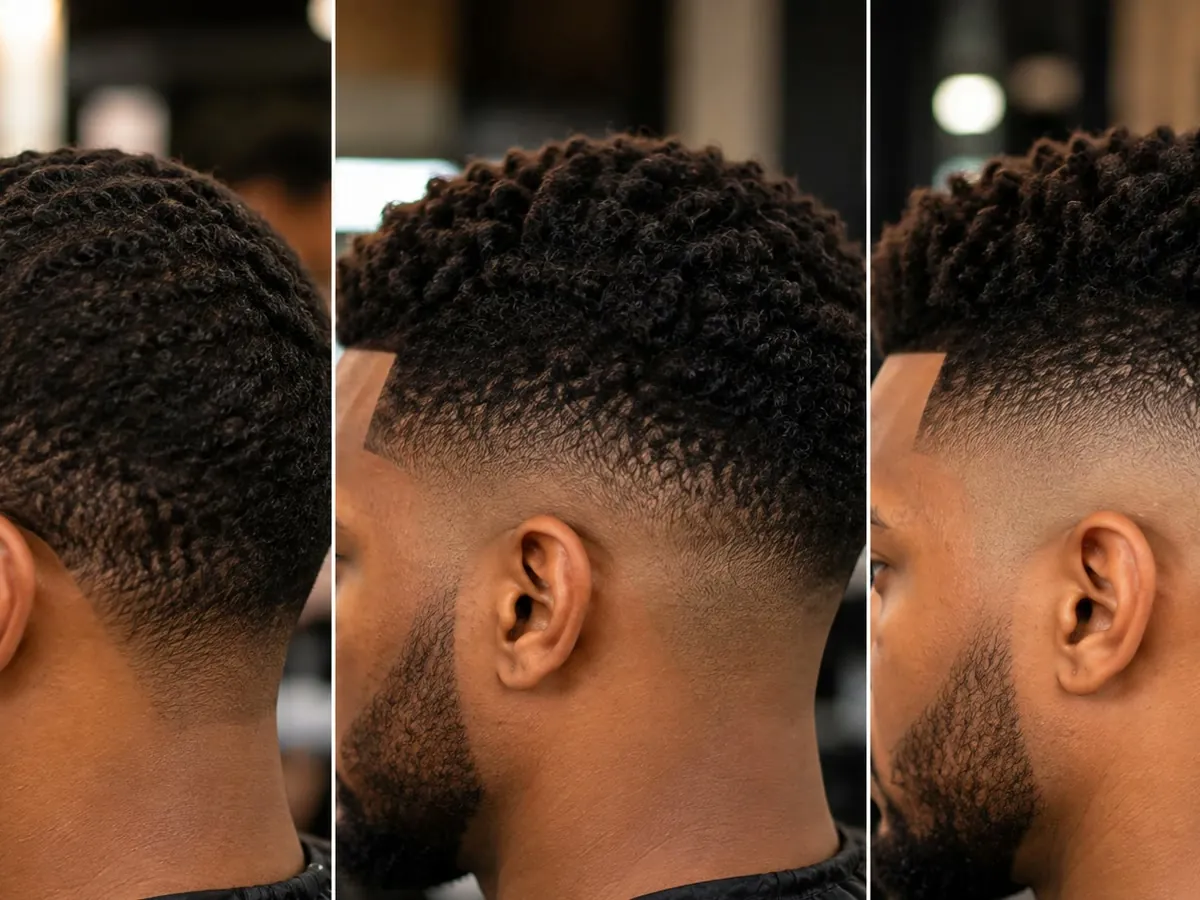
Low Fade, Mid Fade, or High Fade? Let's Settle This.
Not all fades are created equal. Discover the differences and find the one that works best for your face, hair, and personal style.
Find Your Fade C&C Culture
Your Next Favorite Barber Might Be Closer Than You Think.
Finding a great barber shouldn't feel like detective work. Here's why discovering the right professional is about more than scrolling through Instagram and hoping for the best.
Read the Story Style Inspiration
Braids, But Make Them Yours.
Knotless, boho, goddess, or classic cornrows? Explore braid styles that combine personality, versatility, and effortless beauty.
Explore the Looks